
Traveling on the spectrum can present unique challenges, but with the right planning, it becomes much easier and more enjoyable. Families and individuals often look for sensory-friendly travel options to help reduce stress and avoid sensory overload during trips. Choosing autism-friendly vacations that offer clear schedules, quiet spaces, and supportive environments can make a big difference in creating a smooth and positive travel experience. This guide shares practical tips to help make travel easier for autistic travelers at every stage of the journey.

Before Travel
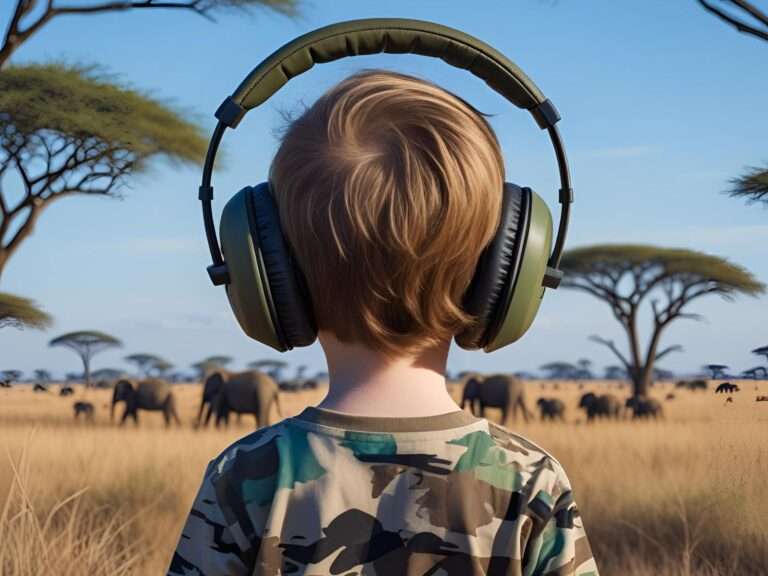
Making travel easier for people with autism starts with good planning. Providing a detailed itinerary helps reduce uncertainty. This includes sharing times, locations, and activities in advance. Photos or videos of the places they will visit can help the traveler know what to expect. Using visual tools like schedules or social stories can explain each part of the trip step by step. It is also helpful to offer choices, such as letting the traveler select their snacks, music, seats, or comfort items. Preparing for sensory needs by packing noise-canceling headphones, sunglasses, fidget tools, or weighted items is important. In addition, informing travel companions or staff about the traveler’s needs and communication style helps ensure better support.
During Travel
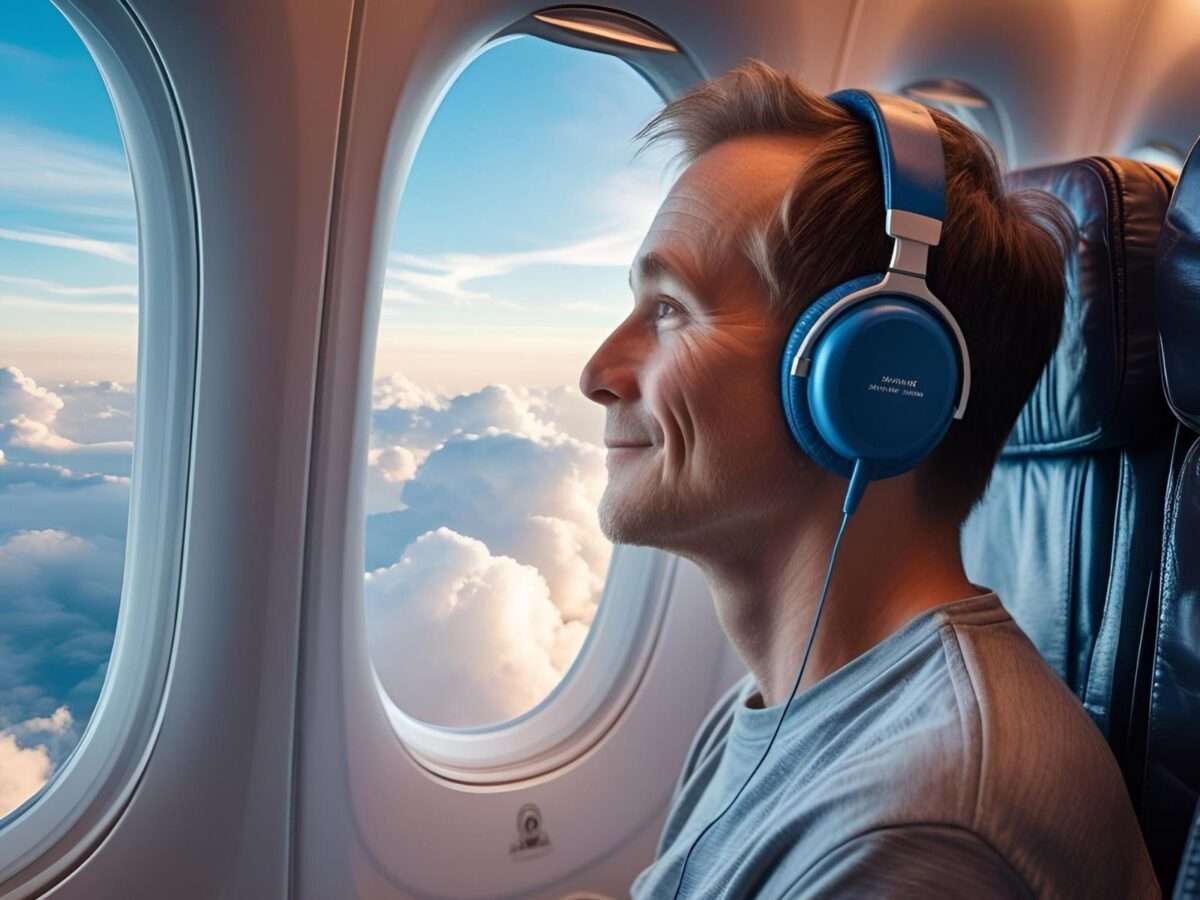
During the travel itself, it is useful to make use of available accommodations. Many airports and transport services offer support programs, including priority boarding, quiet waiting areas, or extra assistance from staff. To avoid sensory overload, travelers and families can locate quiet spaces in airports or stations and use calming tools like headphones or white noise apps. When possible, breaking long journeys into shorter parts can help reduce stress. Communication during travel should be direct and clear, avoiding idioms, sarcasm, or indirect instructions that could create confusion.
At the Destination
At the destination, choosing sensory-friendly accommodations can make a difference. This might include booking hotel rooms in quieter areas or asking if the hotel provides sensory-friendly kits. Keeping regular routines is important, including sticking to normal meal times, bedtimes, and activity patterns. It is also a good idea to plan downtime each day for rest or quiet activities. Social preferences should be respected, as the traveler may need less social interaction or may prefer certain kinds of activities for personal comfort.
Tourism providers can also take steps to support autistic travelers. Offering sensory-friendly options, such as small group tours, quiet hours, or adjusted activities, can help meet different needs. Providing clear online information, including photos, videos, and detailed descriptions, can reduce uncertainty and support planning. Training guides and staff in autism awareness ensures they know how to provide appropriate support and communicate clearly with autistic guests.
By following these steps, travel becomes more manageable and less stressful for people with autism. Preparation, clear communication, and attention to sensory needs are key to creating a better travel experience. Printable checklists or guides can also be developed to support travelers and providers if needed. Families can plan sensory-friendly travel by researching destinations that provide calm environments and accommodations suited to individual needs.


