
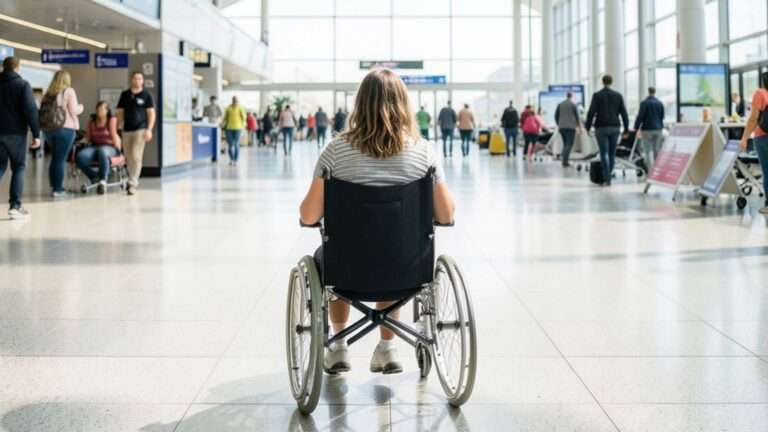
A Complete Packing and Planning Guide for Disabled Travelers
Travel should feel like freedom. The wind in your hair, the cheerful click-clack of suitcase wheels, the gentle hum of an airport at sunrise, and that little fizz of excitement when a new place waits just around the corner. But for disabled travelers, a holiday can sometimes feel less like a getaway and more like a puzzle with missing pieces. A step where a ramp should be. A bathroom that promised access but delivered acrobatics. A misplaced charger at precisely the wrong moment. Suddenly your vacation turns into a “vacay-tional problem.”
Here is the good news. Most travel hiccups are not fate. They are logistics. And logistics can be packed, planned, padded, and politely persuaded into behaving. With the right preparation, a few clever tools, and a backup or two tucked into your bag, accessible travel can shift from “Oh no” to “Oh yes” surprisingly quickly.
This guide walks you through the essential travel items and planning tips that make traveling with a disability easier, lighter, and far more fun. Think of it as your friendly co-pilot, equal parts practical and playful, helping you roll, stroll, or fly wherever you fancy. Because adventure should never be out of reach. Only within reach.
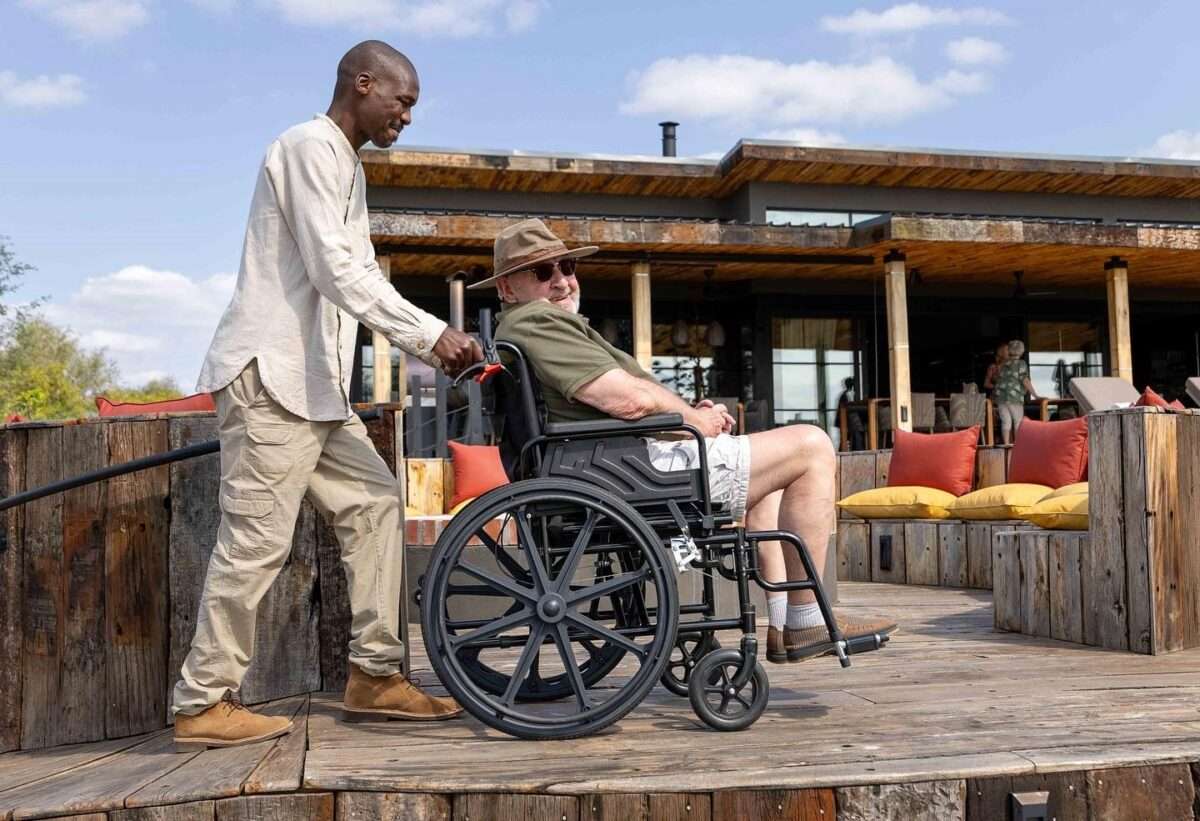
Why Planning Ahead Matters More for Accessible Travel
Spontaneous trips sound romantic. Toss a toothbrush into a bag and off you go. Accessible travel usually calls for a touch more planning and a dash less guesswork. That is not a limitation. It is a strategy.
When you rely on mobility aids, medication, or specific accommodations, small surprises can turn into big headaches. Elevators break. “Accessible” rooms turn out to be aspirational rather than actual. Airlines occasionally treat wheelchairs like gym equipment. Planning ahead simply keeps you in control. Think of preparation as packing peace of mind. The more you prepare before you leave, the less you worry once you arrive. And less worrying means more wandering, tasting, exploring, and enjoying.
A simple rule helps: if you cannot function without it, bring it. If you cannot bring two, have a backup plan.
Do This Before You Pack
Before you even unzip your suitcase, handle the paperwork and phone calls. Confirm accessibility with hotels or rentals and ask for exact details such as door widths, shower types, and bed heights. Get confirmation in writing. A friendly email today can save a frustrated conversation tomorrow. Contact your airline or transport provider and request assistance early. Most offer wheelchair support, early boarding, and help through security. Booking this ahead of time keeps things smooth and avoids last-minute scrambling.
Sort out travel insurance that covers medical needs and mobility equipment. It might not be the most exciting purchase, but it can save a fortune if something goes wrong. A doctor’s letter explaining medications or devices is also helpful at security and customs, and it makes those curious “What’s this for?” moments much easier to handle.
Carry a doctor’s letter, especially useful for:
- Medications
- Syringes
- Medical devices
- Batteries
Essential Documents and Medical Items to Pack
Keep all important documents together in one easy-to-reach pouch. Include identification, prescriptions, insurance information, emergency contacts, and a brief medical summary. Carry extra medication for several days beyond your planned return date, just in case of delays. Save digital copies on your phone and email so you are covered even if your luggage decides to take a surprise holiday of its own.
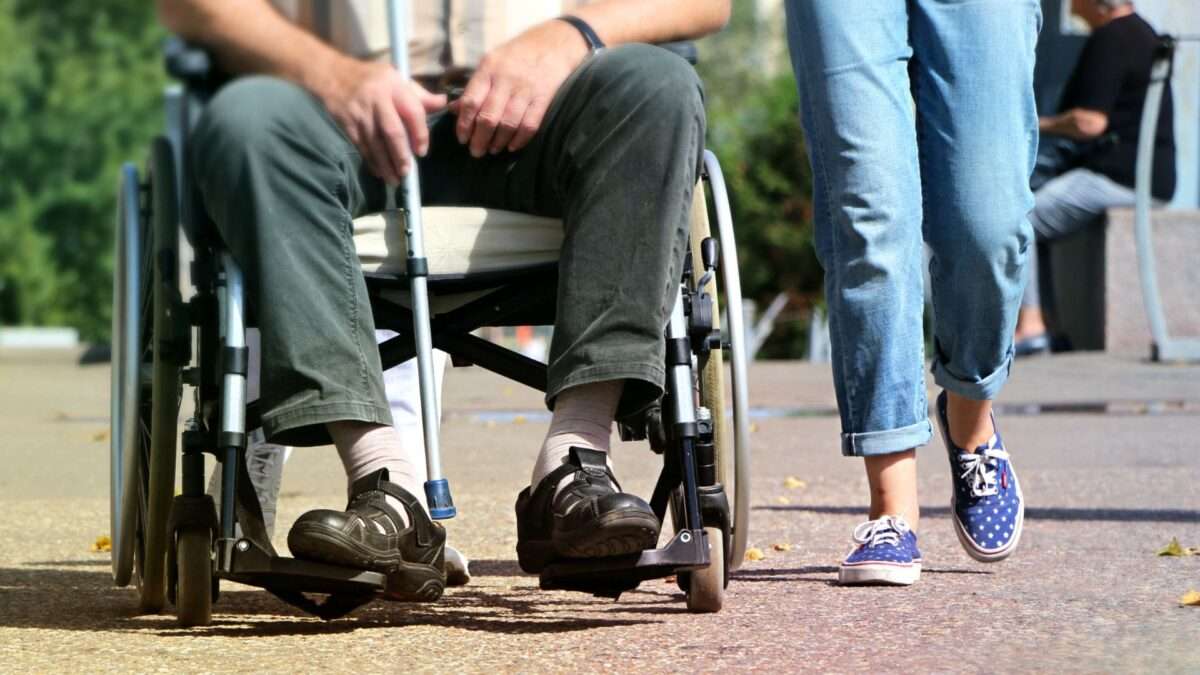
Mobility Equipment and Adaptive Gear
Your mobility equipment is not just luggage. It is independence on wheels, legs, or batteries. Treat it like treasure. Bring a small repair kit with basic tools, spare tubes or patches, and any chargers or extra batteries you rely on. Cushions, gloves, and protective covers make long days more comfortable and protect against wear. Transfer boards, portable ramps, and compact shower aids can make unfamiliar spaces far easier to navigate.
If you are flying, label everything clearly and take photos of your equipment before check-in. These snapshots help if you ever need to report damage. A little preparation here goes a long way and saves you from a “bang, clatter, oh dear” moment later.
- Wheelchair gate-check bags
- “Fragile” labels
- Photos before check-in
- Instructions taped to chair
Comfort and Personal Care Items
Long travel days can be noisy, crowded, and tiring, so comfort items are not luxuries but quiet heroes. A good pressure relief cushion, a supportive neck pillow, and familiar toiletries can make unfamiliar places feel friendlier. Many travelers find that small touches such as a refillable water bottle, easy snacks, compression socks, or a heating pad help manage energy levels and prevent aches. Noise-cancelling headphones or an eye mask create a tiny bubble of calm when the world around you is all chatter and trolley wheels. These gentle comforts add up, turning a long day from exhausting into manageable and helping you arrive ready to explore rather than ready for a nap.
- Pressure relief cushions
- Neck pillow
- Heating pad or hot packs
- Pain relief cream
- Snacks
- Refillable water bottle
- Compression socks
- Noise-cancelling headphones
- Eye mask
- Familiar toiletries
Tech and Smart Travel Tools
Modern technology can be a brilliant travel companion, almost like a pocket-sized assistant that never sleeps. A reliable power bank keeps phones and devices alive during long days out, while medication reminder apps ensure nothing important is forgotten when schedules shift. Offline maps and translation apps help you find your way even without signal, and GPS trackers tucked into luggage or mobility aids offer reassurance if anything goes astray. Ride-share apps with accessibility options and smartwatches that send alerts or reminders add another layer of confidence. Together, these tools quietly support your trip in the background, letting you focus on the fun parts instead of the fiddly ones.
Useful gadgets and apps:
- Medication reminder apps
- Offline maps
- Translation apps
- Power bank
- GPS trackers for luggage
- Smartwatch alerts
- Ride-share apps with accessibility options
Flying With a Disability
When flying, your carry-on becomes your lifeline. Anything you absolutely need should stay with you at all times, not in the hold. Keep medication, medical devices, chargers, documents, and at least one change of clothes within reach. Add small comforts such as snacks, water, or a cushion to stay comfortable during delays or long waits at the gate. Flights are famous for unexpected announcements and schedule changes, so having everything important beside you keeps stress levels low and spirits high. If checked luggage takes a detour, you can still land, smile, and carry on without missing a beat.
Carry-on must-haves:
- Medication
- Medical equipment
- One change of clothes
- Toiletries
- Cushion/support aids
- Snacks
- Documents
- Chargers
- Entertainment
Road Trips and Car Travel Essentials
Road trips offer a different rhythm and often more control, which many disabled travelers appreciate. With your own vehicle, you can set the pace, stop when needed, and pack a little extra without worrying about baggage limits. Portable ramps, supportive cushions, blankets, and a small cooler for medication make the ride more comfortable, while a phone mount and navigation app help you stay on track. Planning rest stops and checking accessibility ahead of time prevents awkward surprises. With snacks within reach and your favorite playlist humming along, the open road can feel wonderfully relaxed and refreshingly flexible.
- Portable ramps
- Extra cushions
- Cooler for medication
- Blankets
- Phone mount
- First-aid kit
- Breakdown plan
- List of accessible rest stops
Emergency and Backup Planning
Nobody likes to imagine things going wrong, but a simple backup plan brings enormous peace of mind. Research nearby hospitals or clinics at your destination and keep emergency numbers saved offline. Carry spare cash, an extra copy of important documents, and, if possible, a backup option for mobility support. A medical ID bracelet can communicate vital information quickly if you ever need help. Think of it like carrying an umbrella. The moment you bring one, the rain often stays away.
Extra Tips for Accessible Travel in South Africa
If you are exploring South Africa, you will find different natural environments, vibrant cities, and plenty of memorable experiences waiting. Accessibility can vary from place to place, so calling venues directly and asking specific questions is always wise. Newer hotels and shopping centres often offer better facilities, and ride-hailing services can be easier than public transport in some areas. A little local knowledge goes a long way. When you plan ahead, you spend less time problem-solving and more time enjoying the view, whether that is a bustling market or a quiet stretch of coast.
The Ultimate Travel Essentials Checklist for Disabled Travelers
Use this as your quick reference before every trip.
Documents, prescriptions, and insurance information. Extra medication. Mobility aids and repair tools. Chargers and batteries. Comfort items. Tech tools. Carry-on essentials. Backup plans.
Simple, sensible, sorted.
FAQs About Traveling With a Disability
Most airlines allow medical equipment and mobility devices at no extra cost, but notifying them in advance makes everything easier. Carry extra medication to cover delays. Protect and label wheelchairs or scooters when flying. Travel insurance that covers medical needs and equipment is strongly recommended. And yes, accessible travel can absolutely be fun. With a little preparation, it becomes less stressful and far more enjoyable.
Pack Smart, Travel Far
Accessible travel is not about limiting where you go. It is about preparing so nothing limits you.
A thoughtful checklist, a well-packed bag, and a few clever backups turn obstacles into small bumps in the road. Once the practical pieces are in place, the good stuff takes over. New food. New faces. That soft whoosh of takeoff. The gentle roll of wheels on pavement. The simple joy of independence.
So pack the ramp, charge the batteries, double-check the meds, and head out the door with confidence.
The world is wide and waiting.
Time to go and see it.


