
Why the Cape Peninsula Works Better as a Two-Day Route
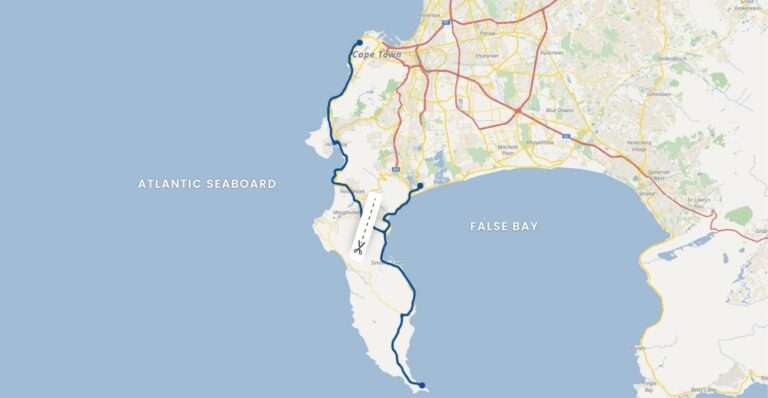
The Cape Peninsula is one of the most scenic regions around Cape Town, but it is also one of the most underestimated in terms of distance and time. While it is often marketed as a single full-day tour, combining both coastlines, multiple towns, beaches, and Cape Point in one day usually results in rushed stops and long hours in the car.
Splitting the Cape Peninsula into two self-drive days allows travellers to slow the pace, enjoy key locations properly, and reduce unnecessary backtracking. Each side of the peninsula offers a distinct landscape and experience, making the split both logical and practical. The two routes focus on:
- The False Bay coastline and Cape Point
- The Atlantic Seaboard and scenic mountain drives
Each day is designed to be manageable, flexible, and easy to follow using the downloadable self-drive PDFs with QR codes for navigation and parking.
Trying to see the entire Cape Peninsula in a single day often means spending more time in the car than at the destinations themselves. With long driving distances, traffic, parking, and popular sites that deserve more than a quick stop, the experience can quickly feel rushed and tiring. By splitting the route over two days, travellers can slow the pace, spend meaningful time at each stop, and enjoy the distinct character of each coastline.
This approach allows for relaxed walks, unhurried meals, and time to appreciate the scenery, rather than moving constantly from one place to the next. Exploring the peninsula over two days results in a more balanced and enjoyable experience overall.

Day 1: False Bay Coast & Cape Point
This route follows the calmer, warmer waters of False Bay and combines coastal towns, wildlife, and protected natural areas.
Muizenberg
Muizenberg is known for its colourful beach huts and wide sandy beach. It is a popular surf spot and a good place for a short walk along the promenade. The beach is open and flat, making it an easy first stop to start the day.
Kalk Bay
Kalk Bay is a working harbour village with a strong fishing heritage. Visitors can walk along the harbour wall, browse small shops, or stop at one of the cafés along the main road. Seals are often visible around the harbour, and the area has a compact, walkable layout.
Fish Hoek
Fish Hoek offers a long, sheltered beach with views across False Bay. The calmer waters make it suitable for swimming, and the beachfront promenade is ideal for a relaxed walk. It is a good stop to pause and take in the scale of the bay before continuing south.
Simon’s Town
Simon’s Town is a historic naval town with a small harbour, museums, and well-preserved buildings. A short stop here provides context to the area’s maritime history and offers access to cafés and basic facilities.
Boulders Beach
Boulders Beach is home to a colony of African penguins. Boardwalks allow close viewing without disturbing the birds. This is one of the most popular stops on the peninsula and usually benefits from allowing enough time to walk both sections of the reserve.
Cape Point Nature Reserve
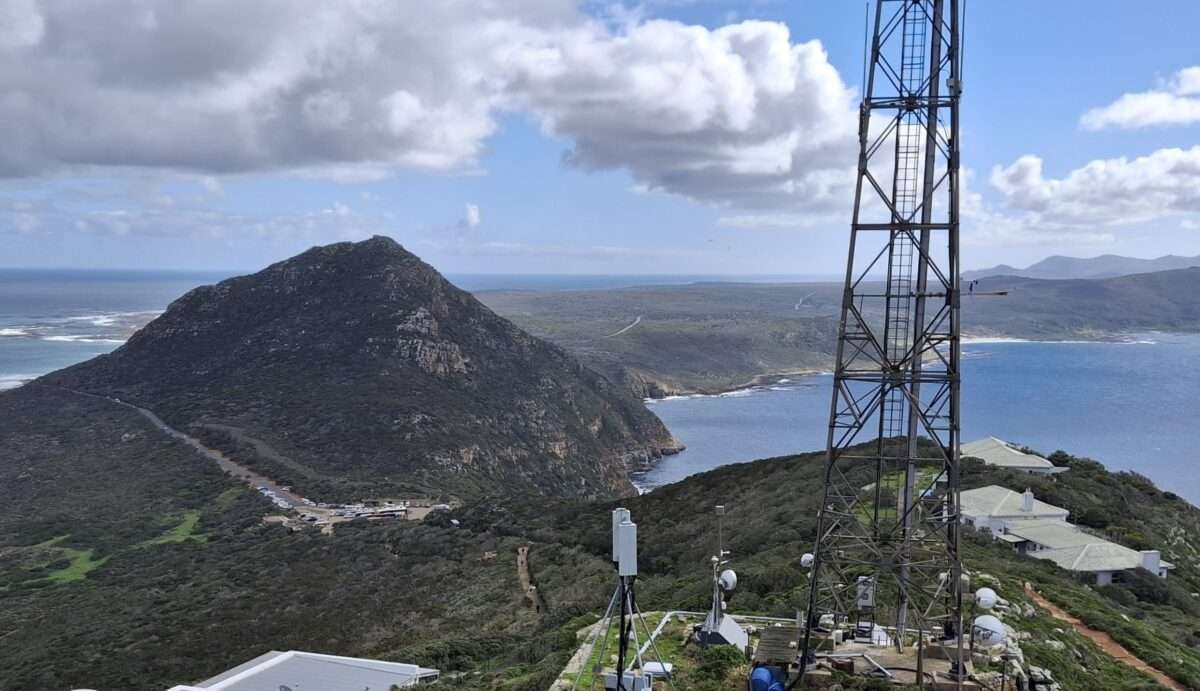
Cape Point marks the southern section of the peninsula and is part of a protected natural reserve. Inside the reserve, visitors can stop at: Cape of Good Hope for coastal views and walking paths, Cape Point Lighthouse for elevated viewpoints, and Buffels Bay or Bordjiesrif for a break or picnic.
Wildlife such as ostrich and baboons are often seen along the roads within the reserve.

Day 2: Atlantic Seaboard & Scenic Drives
This route focuses on dramatic mountain passes, open ocean views, and some of Cape Town’s most well-known coastal suburbs.
Chapman’s Peak Drive
Chapman’s Peak Drive is a scenic mountain road carved into steep cliffs above the Atlantic Ocean. There are several designated viewpoints where drivers can stop safely for photos. It is best driven slowly and without time pressure.
Hout Bay
Hout Bay is a working harbour and coastal suburb. Visitors can walk along the harbour, browse the market if open, or take an optional boat trip to Duiker Island to see seals. The area has a mix of fishing activity and residential life.
Noordhoek
Noordhoek is known for its wide, undeveloped beach and rural feel. The area is less built-up, with long views and a quieter atmosphere. A short stop here provides a contrast to the busier coastal areas.
Camps Bay
Camps Bay is a popular beachfront suburb backed by the Twelve Apostles mountain range. The palm-lined promenade, cafés, and beach make it a good stop for a walk or lunch. The beach itself is expansive, though the water is cold year-round.
Sea Point
Sea Point is closer to the city and features a long coastal promenade used for walking and cycling. It is an easy final stop, especially in the late afternoon, and provides convenient access back into central Cape Town.
Download the Self-Drive Routes
To make the experience simple and stress-free, each day is available as a downloadable self-drive PDF. Splitting the Cape Peninsula into two days gives travellers more time at each location, less time in traffic, and a better overall experience of the region’s variety. You can download each route below and explore the Cape Peninsula at a comfortable, well-paced rhythm.


