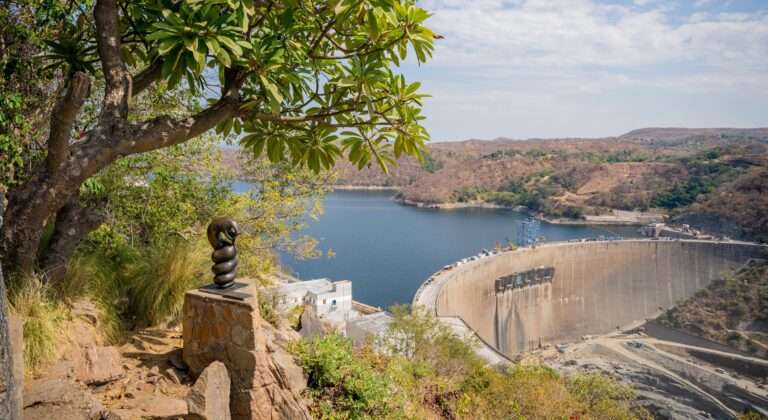
Lake Kariba

Travel Packages & Tours

Travel To Lake Kariba

Located along the border between Zimbabwe and Zambia, Lake Kariba is one of the world’s largest man-made lakes and a top destination for both relaxation and wildlife experiences.

Its calm waters, spectacular sunsets, and abundance of game make it an ideal setting for houseboat safaris, fishing trips, and lakeside retreats. Visitors can enjoy tiger fishing, sunset cruises, birdwatching, and visits to nearby Matusadona National Park.

Families are well catered for, with safe boat activities and lodges offering family-friendly facilities. What makes Lake Kariba unique is the blend of water-based adventure and classic safari landscapes, all set against a backdrop of unforgettable scenery.

cOUNTRY
Zimbabwe
Currency
Zimbabwean Dollar & US Dollars widely accepted
Language
English, Shona & Ndebele
Lake Kariba in Zimbabwe

Travel Information

Most travelers fall into Group A. Nationals from countries such as the United Kingdom, most European Union nations, the United States, Canada, Australia, and New Zealand can obtain a visa on arrival at major entry points or apply for an eVisa online before travel.

Citizens of countries in Broup B do not require a visa to enter Zimbabwe for tourism or business. Examples include South Africa, Botswana, Zambia, and several Caribbean and Asian countries.

Travelers visiting both Zimbabwe and Zambia (and entering through Victoria Falls or Livingstone) can apply for the KAZA Univisa.

A passport valid for at least 6 months beyond the date of entry.

Vaccinations
No mandatory vaccinations, but proof of yellow fever vaccination is required if arriving from affected countries.

Kariba Airport (KAB)
Kariba

Bumi Hills Airstrip (BZH)
Bumi Hills

Fothergill Island Airstrip (FOT)
Matusadona National Park

Kariba
Located directly on the lake’s southern shore, this town was built in the 1950s to support the construction of the Kariba Dam. Today, it serves as the main access point for lake activities such as houseboat safaris, fishing, and scenic cruises. The Kariba Dam Wall remains one of Zimbabwe’s most impressive engineering landmarks.

Chinhoyi
Situated about 250 kilometers (155 miles) southeast of Kariba, Chinhoyi is famous for the Chinhoyi Caves, a system of limestone caverns featuring the crystal-clear “Sleeping Pool.” The caves hold deep cultural and historical significance and form part of a national park.

Harare
The capital city of Zimbabwe lies roughly 360 kilometers (225 miles) from Kariba. Known for its jacaranda-lined streets, thriving markets, and vibrant arts scene, Harare serves as the country’s main gateway for domestic and regional travel to Lake Kariba and other national parks.

Zimbabwean food is hearty and largely based on staple ingredients such as maize, grains, vegetables, and locally sourced meats. The national staple is sadza, a thick maize meal porridge served with a variety of relishes including meat, vegetables, or beans.

Meat dishes are common, with nyama meaning grilled beef, goat, or chicken being a favorite. Zimbabweans also enjoy braaied meats, often cooked over open fires. Fish, especially from Lake Kariba, is popular, with kapenta meaning small dried freshwater fish frequently served with sadza.

Mopane worms are a traditional delicacy, usually dried or cooked in tomato-based sauces. Other traditional dishes include derere meaning okra stew, covo meaning leafy greens, and mutakura meaning a mix of boiled maize and beans.

Meals often focus on communal eating emphasizing sharing and hospitality. They are usually accompanied by maheu, a non-alcoholic fermented maize drink, or locally brewed beers.

Avoid public criticism of the government or political leaders, as this can be sensitive.

Do not point with your finger; use your whole hand or nod when indicating directions.

Avoid littering or damaging the environment, especially in national parks and protected areas.

Do not take souvenirs from historical or cultural sites without permission.

Avoid loud or disruptive behaviour in public, particularly in rural communities and near sacred sites.

What's Happening in Lake Kariba

The rainy season is in full swing, with warm temperatures and frequent afternoon storms. The lake is surrounded by lush greenery. Many animals, including impalas and warthogs, give birth during this period, attracting predators such as lions and leopards. Birdlife is abundant, with many migratory species present.
Rain continues, keeping the landscape vibrant. Vegetation is thick, and wildlife is dispersed. Young animals are visible, and it’s a great time for birdwatching as breeding continues among resident and migratory species.
Rains start to ease. The bush remains green, and animals begin to move closer to the shoreline as temporary inland pools start drying. It’s an excellent month for photographing dramatic skies and lush scenery.
The wet season ends. Days are warm and clear, with cooler nights. Vegetation begins to thin, improving game viewing. Water levels in the lake are high, ideal for boating and fishing.
The dry season begins. Temperatures are mild, and wildlife starts congregating near permanent water sources such as the lake and river inlets. Fish activity increases, making it one of the best times for tiger fishing.
Days are sunny and cool, with crisp mornings. The bush is drying rapidly, and large herds of elephants and buffalo gather along the lakeshore. Predators become easier to spot as vegetation thins.
Dry and cool. Game viewing is excellent as wildlife density around the water increases. Hippos and crocodiles are commonly seen along the shoreline. Birdwatching remains strong with many raptors visible.
Temperatures begin to rise. The lake level drops slightly, exposing sandbanks often used by basking crocodiles and water birds. This is one of the best months for wildlife sightings, with elephants frequently seen drinking and swimming in the lake.
Hot and dry. Large herds of elephants, buffalo, and antelope gather along the shorelines. Many predators are drawn to the area, offering excellent game viewing. Migratory birds begin to return.
The hottest month of the year. Water is scarce inland, so animals depend heavily on the lake. Afternoon thunderstorms may begin late in the month, bringing short bursts of relief. The fishing season peaks with active tiger fish.
The first rains fall, cooling the air and reviving the landscape. The bush quickly turns green. Many animals begin their birthing season, particularly antelope. Bird migration reaches its peak.
Full green season returns. The scenery is lush and vibrant. Newborn animals are plentiful, and birdlife is at its most colorful. Afternoon showers are common, and temperatures remain warm and humid.
Travel Ideas
Itineraries to this destination

Ready to take the Next Step?

Preferred comfort level:
Preferred transport type: