Hwange

Travel Packages & Tours

Travel To Hwange

Located in western Zimbabwe near the borders of Botswana and the Kalahari Desert, Hwange National Park is the country’s largest wildlife reserve and one of Africa’s most rewarding safari destinations. It is home to one of the largest elephant herds in Africa, with an estimated 40,000 to 50,000 elephants. Hwange National Park is located about 180 kilometers (112 miles) southeast of Victoria Falls.

It is home to over 100 mammal species, including large elephant herds, lions, buffalo, and rare African wild dogs. Families will find it ideal, with child-friendly lodges, guided game drives, and safe viewing platforms offering unforgettable experiences for all ages.

Hwange is a model for sustainable wildlife management and anti-poaching initiatives, contributing to the preservation of Zimbabwe’s natural heritage. Hwange’s charm lies in its raw wilderness, variety of habitats, and strong focus on conservation, making every visit both exciting and meaningful.

cOUNTRY
Zimbabwe
Currency
Zimbabwean Dollar & US Dollars widely accepted
Language
English, Shona & Ndebele
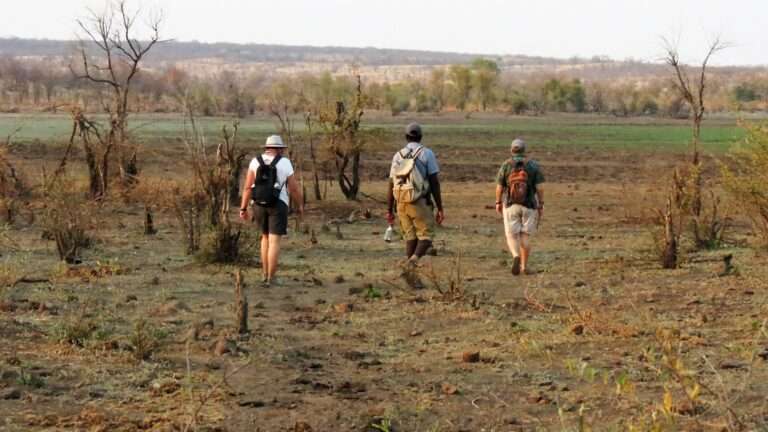
Walking Safaris at Hideaways Nantwich Lodge

Travel Information

Most travelers fall into Group A. Nationals from countries such as the United Kingdom, most European Union nations, the United States, Canada, Australia, and New Zealand can obtain a visa on arrival at major entry points or apply for an eVisa online before travel.

Citizens of countries in Broup B do not require a visa to enter Zimbabwe for tourism or business. Examples include South Africa, Botswana, Zambia, and several Caribbean and Asian countries.

Travelers visiting both Zimbabwe and Zambia (and entering through Victoria Falls or Livingstone) can apply for the KAZA Univisa.

A passport valid for at least 6 months beyond the date of entry.

Vaccinations
No mandatory vaccinations, but proof of yellow fever vaccination is required if arriving from affected countries.

Victoria Falls International Airport
Victoria Falls

Hwange National Park Airport
Hwange

Hwange Main Camp Airstrip
Hwange

Robin’s Camp Airstrip
Hwange

Hwange Town
A small mining town closest to the park, known for its coal mining industry and as a convenient gateway to Hwange National Park.

Victoria Falls
About two hours north of Hwange, this is Zimbabwe’s top tourist city, famous for the world-renowned Victoria Falls and a wide range of adventure activities.

Bulawayo
Located about four hours southeast of Hwange, it is Zimbabwe’s second-largest city, known for its colonial architecture, cultural heritage, and proximity to Matobo Hills.

Dete
A small town on the park’s eastern edge, known for its railway connection and as an access point to several private lodges and safari areas within Hwange.

Lupane
South of Hwange, known as the administrative center of Matabeleland North Province and for its rural landscapes and growing local economy.

Zimbabwean food is hearty and largely based on staple ingredients such as maize, grains, vegetables, and locally sourced meats. The national staple is sadza, a thick maize meal porridge served with a variety of relishes including meat, vegetables, or beans.

Meals often feature grilled meats, stews, and locally grown vegetables. Most lodges serve both Western and traditional Zimbabwean dishes, with options for dietary preferences.

Light, neutral clothing is recommended for game drives. Evenings can be cool, so pack a jacket.

Friendly greetings and polite conversation are valued when interacting with locals and lodge staff.

What's Happening in Hwange

The wet season is in full swing, with lush vegetation and plenty of waterholes. Many animals give birth during this time, including impalas and other antelope species. Birdlife is at its peak, with migratory birds filling the skies.
Rain continues, and the park remains green and full of life. Young animals are abundant, providing excellent predator activity as lions and wild dogs take advantage of the easy prey.
Rains begin to taper off, and temperatures remain warm. The landscape is still green, and wildlife is dispersed due to the availability of water throughout the park.
This is the end of the rainy season. Grass begins to dry, and animals start moving closer to permanent water sources. It’s a good month for photography, with clear skies and pleasant temperatures.
The dry season starts. Vegetation thins, improving visibility for game viewing. Elephants and buffalo begin to gather in larger numbers near main waterholes.
Days are sunny and cool, with cold nights. The bush is now dry, and large herds of elephants become more concentrated around pumped pans. This is the start of the prime safari season.
Peak dry season. Water is scarce, drawing diverse species to visible, reliable waterholes. Predator sightings are frequent as lions and leopards hunt near these areas.
Temperatures rise slightly, and the park is very dry. Wildlife viewing is exceptional, with elephants, giraffes, zebras, and predators all seen easily around water sources.
Hot and dusty conditions prevail. Large herds of elephants dominate the waterholes, and birdlife increases as some early migrants begin returning.
The hottest month of the year. Wildlife congregates densely near water, making it one of the best times for game viewing. Afternoon thunderstorms may start appearing late in the month.
The first rains fall, signaling the start of the green season. The bush quickly transforms, and antelope births begin. Migratory birds arrive in large numbers.
Full green season returns. Newborn animals are common, and birdwatching is superb. Afternoon rains bring dramatic skies and cooler evenings.
Travel Ideas
Itineraries to this destination

Ready to take the Next Step?

Preferred comfort level:
Preferred transport type: