Hhohho Region

Travel Packages & Tours

Travel To Hhohho Region

The Hhohho Region is located in northern Eswatini and includes the capital city, Mbabane, along with forested hills, valleys, and wildlife areas. People visit Hhohho for its mix of outdoor activities, cultural experiences, and easy access to some of the country’s best-known attractions. What makes it stand out is how closely daily life, nature, and tradition sit side by side, giving visitors a strong sense of place rather than a checklist of sights.

Hhohho is about a one-hour drive from King Mswati III International Airport (SHO) near Sikhuphe and around 45 minutes from Matsapha Airport (MTS) near Manzini. From South Africa, Kruger Mpumalanga International Airport (MQP) is about two hours away, while OR Tambo International Airport (JNB) is roughly four to five hours by road.

The food scene includes local dishes like sishwala, stewed meats, and fresh vegetables, alongside lodge and café menus. Social etiquette values greetings, politeness, and modest dress in rural areas. One must-see experience is spending time in the Ezulwini Valley, often paired with Mlilwane Wildlife Sanctuary.

cOUNTRY
Eswatini
Currency
Lilangeni (SZL)
Language
SiSwati and English
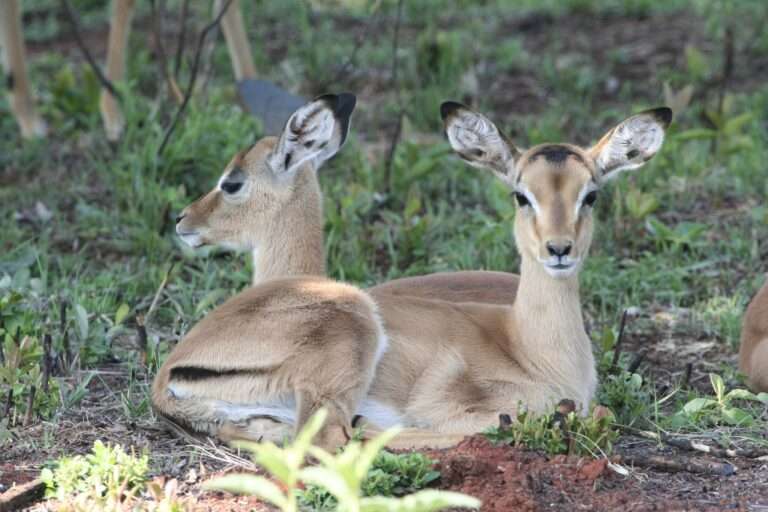
Mlilwane Wildlife Sanctuary Rest Camp in Eswatini

Travel Information

Visas and passports
Many nationalities do not require a visa to enter Eswatini for stays up to about 30 days, including passport holders from South Africa, most Commonwealth countries, the United States, Canada, Japan, and many European countries. However, whether you need a visa depends on your nationality. If a visa is required, it must be applied for in advance through an Eswatini embassy or consulate before travel; visas cannot currently be obtained on arrival at the border. Your passport should be valid for at least six months beyond your planned stay and include at least two blank pages for entry and exit stamps, which is especially important when crossing from South Africa into Eswatini.

Vaccinations and health
There are no mandatory vaccinations required for entry for most travelers. The only exception is if you are arriving from or transiting through a country with a risk of yellow fever, in which case you must present a valid yellow fever vaccination certificate. Routine travel vaccinations (such as those for tetanus or hepatitis) are recommended based on personal health and travel plans, but are not required to enter Eswatini.

King Mswati III International Airport (SHO)
The primary international gateway with a long paved runway and full facilities for private jets and commercial flights

Matsapha Airport (FDMS / MTS)
Near Manzini; no longer handles regular commercial flights but can support private or special flights on request.

Nsoko Airfield (FDNS)
A private airstrip near Nsoko in the Lubombo Region.

Tambankulu Airfield (FDTM)
Grass runway serving Tambankulu area, useful for light aircraft.

Kubuta Airfield (FDKB)
Grass strip in the Shiselweni Region, suitable for small aircraft.

Bhunya Airfield
Rural gravel airstrip near Bhunya.

Tshaneni Airfield (FDTS)
Public grass airstrip in Tshaneni.

Mhlume Airfield (FDMH)
Grass runway near Mhlume.

Eswatini’s main destinations are usually grouped by regions rather than cities, and these are the ones most commonly promoted:

Ezulwini Valley
The country’s main tourism hub, home to cultural sites, craft markets, hotels, and wildlife areas.

Hhohho Region
Includes Mbabane and nearby attractions, with forests, mountain scenery, and outdoor activities.

Lubombo Region
Known for lowveld wildlife reserves, sugarcane fields, and access to game parks.

Shiselweni Region
More rural and less visited, offering cultural experiences and wide open countryside.

If narrowed to headline tourism draws, most operators focus on the Ezulwini Valley, Hhohho Highlands, and Lowveld wildlife areas.

Sishwala
A staple porridge made from maize meal, usually served with a sauce, vegetables, or meat. It’s the base of many meals and a true taste of traditional Eswatini.

Braai meats
Grilled meats are hugely popular, often served at social gatherings. Beef, lamb, and chicken are common, sometimes spiced with local herbs.

Umncweba / Stews
Slow-cooked meat and vegetable stews are a hearty favorite. Popular variations include chicken, beef, or goat cooked with local spices and served with maize or root vegetables.

Tinkhobe
Roasted maize on the cob, often enjoyed as a snack or street food, especially during festivals or market visits.

Sidzingwa / Samp and Beans
A mix of crushed maize kernels (samp) and beans, often boiled together for a filling, traditional dish.

Local sweets and fruits
Try fresh sugarcane, marula fruit products, or traditional sweet puddings like umqombothi beer cake.

Greeting people politely and dressing modestly in rural areas is appreciated and shows respect for local customs.

Eswatini is one of the few remaining absolute monarchies in Africa, and its culture is deeply tied to the royal family and traditional ceremonies. The Swazi people maintain a strong sense of community, respect for elders, and pride in their customs, which are reflected in everyday life. Traditional attire, music, and dance are integral to both celebrations and daily rituals.

Two of the most famous cultural events are the Umhlanga Reed Dance and the Incwala Ceremony. The Reed Dance is a vibrant annual festival where young women present reeds to the queen mother, celebrating chastity, unity, and cultural pride. The Incwala, or Kingship Ceremony, marks the first fruits of the harvest and strengthens loyalty to the king.

Swazi art and craft are also prominent, with locally made woven baskets, beadwork, pottery, and wood carvings widely available. Visitors are encouraged to respect traditions, greet locals politely, and dress modestly when visiting villages or attending ceremonies. The culture is a living mix of heritage, community, and connection to the land.

What's Happening in Hhohho Region

This is a warm, rainy part of the year across Eswatini. It’s perfect for exploring cultural villages, game reserves like Mlilwane on safari, or birding in wetlands as the landscape is green and lush. Incwala, the sacred Kingship Ceremony, often continues from December into January, offering a unique cultural experience. If you’re not attending Incwala, enjoy indoor museum visits and craft centers while the afternoons cool off with short showers.
Warm weather continues, though you’ll likely see afternoon rain. The Marula Festival takes place at the Buhleni Royal Residence celebrating the marula harvest with traditional beer and festivities; similar celebrations happen at Hlane. These events bring local culture to life against a backdrop of birdlife and wildlife viewing in reserves. If you’re not at the festival, explore Hlane or Mlilwane for game drives before or after rain showers.
Expect warm to hot days with rain likely in the afternoon. The weather is great for hiking at Malolotja Nature Reserve or visiting glassblowing at Ngwenya, where cooler highland temperatures make active days comfortable. The Marula Festival also continues in early March at Hlane for a cultural highlight. If no specific event is on, game drives and birding are excellent before rain builds later in the day.
Days are warm and slightly less rainy. Markets and craft routes, including the Ezulwini Farmer’s Market and Makoti Festival, celebrate local artisans and culture. Trails like the Mahamba Gorge hike also take advantage of cooler mornings, making it a good month for walks and exploring rural sites. Late afternoons may still see showers.
This marks the drier season with milder weather ahead. The MTN Bushfire Festival in late May draws music, arts, food, and craft lovers to Malkerns Valley. It’s a standout annual event that celebrates creativity with a lively atmosphere. Outside festival dates, the dry weather is ideal for reserve game drives and birdwatching.
Cooler, dry weather makes June ideal for outdoor activities. While there aren’t many national festivals, the Sibebe Survivor hike, mountain biking races, and nature walks are popular in this season. Preparation for the Reed Dance also begins in communities. Camel grass and cooler mornings make for pleasant hikes and cycling.
July remains dry with cool mornings and warm afternoons. The Sibebe Survivor Challenge climbs the world’s second largest granite monolith, perfect for adventurous hikers. Other events like cycle races and community braais happen this month too. Wildlife viewing is good as animals gather around waterholes with less vegetation cover.
August’s dry weather and clear skies are ideal for viewing the Umhlanga Reed Dance, Eswatini’s most famous cultural event where thousands of young women gather in traditional celebration. It is a powerful cultural experience and one of the best reasons to visit at this time. There are usually other lifestyle festivals this month as well.
Late dry season weather is excellent for game drives, hiking, and wildlife. The Reed Dance continues early in the month, and EmaSwati Cultural Days showcase heritage across villages. Safari experiences, especially tracking rhino on foot in reserves, are superb with open views and dry trails.
Weather starts to warm up as the rainy season approaches, but mornings and early afternoons stay pleasant. Outdoor events like the Mlawula Camp Fire Festival and wildlife conservation activities take place, and game drives in Hlane or Mkhaya are rewarding with wildlife easy to spot.
Warm and increasingly humid conditions define November with scattered showers. Events like the Ezulwini Farmer’s Market continue, and visiting community tourism projects, such as in Shewula, offers cultural insights. Late rain means waterfalls and green hills, making hikes scenic.
December is warm with frequent rain but is culturally unrivaled due to the Incwala Festival, which marks the first fruits and connects deeply with Swazi heritage through dances and rituals. If you’re not attending Incwala, wildlife areas remain good for early morning game drives before showers build later in the day.
Travel Ideas
Itineraries to this destination

Ready to take the Next Step?

Preferred comfort level:
Preferred transport type: